Showing posts with label fish. Show all posts

Thursday, August 27, 2015

Niceoise salad and memories of kindness

Here's another salad recipe but this time it doesn't come with a side order of complaints about the Irish weather. (Lest you think this means the weather has improved here on the Dingle Peninsula; it's done no such thing. We may have spent the past few weeks crossing our fingers for an Indian summer but those clouds have remained resolutely in our skies.)

No, this salad comes with a more personal story...

My partner Richard is quite a bit older than I am and when we first got together, there was some disapproval from our family and friends. With this as background information, you'll understand why I felt nervous the first time I met Richard's mother. By that stage, she was an old lady in her late seventies and I thought that if anyone were going to react in a judgemental way to our age difference, it was going to be her.

How wrong I was. I came to see that Anne was someone who prized love above all else in this world. She immediately saw and understood the strength of the love we shared. Her eyes shone with happiness for her son and from that moment on, she welcomed me warmly into her family.

She prepared a Niceoise salad for us to eat on the evening of that first visit. It was the first time I'd ever tasted this clever combination of green beans, tuna, anchovies, black olives and eggs but it definitely wasn't the last. It's become one of my go-to recipes for simple suppers ever since.

Anne died in 2007 but whenever I make this salad, I think of her and how kind she was to me on our first meeting.

My memory of Anne Smallwood's Niceoise Salad
This recipe feeds two greedy adults (with some leftovers for lunch the following day). Like all salad recipes, it's pretty adaptable. You can add more or less of any of the ingredients, according to your own preference.

400g small baby potatoes
250g green beans
1 medium-sized green pepper
15 black olives, the small puckered ones are best for flavour
250g tuna in olive oil, brine or water
8 anchovies
4 eggs

3 tablespoons olive oil
1 tablespoon cider vinegar
1 teaspoon honey
1 teaspoon Dijon mustard
A pinch of salt


  • Wash the potatoes and place in a saucepan. Sprinkle with salt and cover with boiling water. Simmer over a medium heat until a knife passes through the potatoes with ease. This should take between 15 and 20 minutes, depending on the size of your potatoes. Strain out the water and set aside to cool.
  • Prepare your other ingredients while you're waiting for the potatoes. 
  • Top and tail the beans and then cut them in half.
  • Place them in a saucepan and sprinkle with salt. Add a centimetre or two of boiling water to the pan. Cover with a lid and simmer the beans over a medium to high heat for four minutes or until they are tender but still retain a slight bite.
  • Cut the top off the pepper and scoop out the seeds and pith inside. Cut the flesh into bite-sized pieces.
  • Remove the pits from the olives and cut them in half.
  • Place the eggs in a small saucepan. Cover them with boiling water and simmer over a medium heat for seven minutes. Then place the saucepan in your sink and run cold water over the eggs until they become cool enough to handle. Set aside until it's time for assembly.
  • Make the dressing by adding the olive oil, cider vinegar, honey, mustard and salt to a jam jar, screwing on the lid and shaking the jar vigorously until all the ingredients have combined.
  • Your potatoes ought to have cooked at this stage. You could cut them in three and add them to the salad as they are but I like to fry them in a little olive oil to give them crispy edges. Simply heat a tablespoon of olive oil in a frying pan over a medium heat. Add your potato slices and a sprinkling of salt. Wait for a golden crispy skin to develop before turning each slice over and doing the same again.
  • It's time for assembly. Add the beans, potatoes, tuna, olives and green pepper to a salad bowl. Toss together until they are well combined.
  • Peel the eggs by tapping them gently against a chopping board or counter top until cracks appear in the shell. Carefully peel the shell off the egg and cut each egg into quarters. Arrange the eggs and anchovies on top of the salad.
  • It's up to you whether you dress the salad before it is served or not. I usually serve the dressing alongside and allow everyone to add as much or as little as they like.


Wednesday, June 25, 2014

A simple dish to make me better

I haven't been feeling all that strong lately. In fact, if I'm being truly honest, I've felt weak and unable to face the world and its challenges.
My health has been fine (thankfully) but I've taken a few emotional knocks and as a result, I've lost some of my zest for life. I've retreated into myself as I redefine who I am and what I want from what I know (deep down) is a wonderful world of opportunity all around me.

I turn to comfort food when I feel like this. Not comfort food as in chocolate; comfort food as in a bowl* of something nourishing that truly gives my body what it needs. Knowing that my physical body is being looked after allows me to divert my energies to improving my emotional and mental health.

This is food that makes me better.


Soba noodles with grilled salmon and spring onions in a ginger broth

Broth ingredients: (this will make much more than you need for one serving but lasts well for a few days in the fridge and freezes well too)

4 tablespoons freshly minced ginger
3 medium sized cloves of garlic, very finely chopped
2 litres of water or vegetable stock
3 to 4 tablespoons of soy sauce

Other ingredients:
150g fillet of salmon per person
3 spring onions
50g soba noodles per person 
1/4 teaspoon toasted sesame oil
  • Begin with the broth. Mince the ginger and chop the garlic and add to a heavy-bottomed saucepan over a medium heat. Add a tablespoon of water to the ginger and garlic and stir for three to five minutes or until the ginger and garlic have softened but haven't yet changed in colour. Add another tablespoon of water if needs be to prevent the mixture sticking to the bottom of the pan.
  • Add the water or vegetable stock if using and bring to the boil.
  • Simmer for five minutes and then add your soy sauce. Taste and add more soy if necessary.
  • Set aside
  • Heat your grill to medium. Season your salmon with salt and cook underneath the grill for six minutes on either side.
  • Boil some water and cook your noodles according to the instructions on the pack.
  • Peel the outer layer from the spring onions and cut into 4cm lengths. Then cut in four lengthwise.
  • Drain your noodles once cooked and coat in the sesame oil.
  • Place these at the bottom of the bowl. Place the salmon fillet on top. Pour over the ginger broth and garnish with spring onions. 
*In a complete aside: don't you agree that for food to be truly comforting, it should always be served in a bowl? Why is that, I wonder.  


Follow on Bloglovin 


Tuesday, June 10, 2014

The return of lie-ins and lazy breakfasts

One of the things I missed most when I was working in the café was long, leisurely weekend breakfasts. There is little that I love as much as starting a weekend day with a multi-coursed breakfast. In my case, it usually includes nut-filled muesli with some chopped banana, berries and nut milk; something egg-y; toasted bread with almond butter and honey; and lots of green tea.

I've been going through a mourning period for the café lately. Someone else opened a new café there last month and I've found myself envying them the incomparable excitement of creating a space that is all about welcoming people and giving them good things to eat and drink.
But whenever I've found myself hankering for the café too much, I remind myself of all I have gained by leaving it behind and that includes my new-found appreciation of weekend breakfasts...

I've been experimenting with different breakfast dishes these past few weeks and this is a simple one I've made and enjoyed on several occasions now.

Ingredients (serves four people or two especially hungry ones)
250 grams fresh spinach leaves 
4 slices of smoked salmon
4 best-quality eggs*
1/4 teaspoon salt 

You will also need ramekins or a muffin tin

  • Preheat your oven to 180 degrees Celsius/350 degrees Fahrenheit.
  • Sprinkle the salt over the spinach and cook in your preferred way. I cook mine in a steamer over boiling water for seven minutes or until wilted.
  • Let the spinach cool a little and once you can handle it, use your hands to squeeze out all excess water.
  • Divide the spinach between your four ramekins or four sections of your muffin tray.
  • Lay the smoked salmon on top.


  • Break an egg into each of the four ramekins or sections of the muffin tray, on top of the spinach and salmon.
  • Cook in the oven for ten to twelve minutes or until set.
  • Use a knife to cut the egg away from the edges of the ramekin or muffin tin.
  • Lift the egg-y muffin out of the tin using a dessert spoon (you don't want to break that runny yolk just yet) and place on a slice of warm toast.
  • Dig deliciously in.
*Anyone following the OMS (Overcoming Multiple Sclerosis) diet will have been advised to avoid eggs as they contain up to 8g of saturated fat per egg - which is a lot when you're supposed to keep your saturated fat intake below 10g a day and never exceed 20g. However, I have realised that eggs are the foods I miss most when following this diet (much more than chocolate, to my eternal surprise) and so on the days when I have an egg, I make sure I don't eat anything else that contains a significant amount of saturated fat. Eggs offer so much nutritional goodness - especially if they come from free-range hens that are allowed to roam and eat as they please - that I feel justified in eating them once or twice a week. Anyway, my luxurious weekend mornings simply wouldn't be the same without them!


Follow on Bloglovin 


Monday, February 20, 2012

A sharp rap on the knuckles and a recipe for tonight's supper

You can't see me but I'm holding out my hand so that you can give me that rap on the knuckles I said you could if I hadn't posted something by Friday. Last week was so crammed full of things to do that I had very little time to spend in the kitchen or at the computer. This is why this blog post is three days late and why I broke my promise.

You might go easy on me if you knew what I'd been up to though. I spent two days in Dublin tracking down bargains for the café. I've now got cutlery, glasses, cups and saucers, plates, bowls and some kitchen equipment. It sounds like a lot but I still need tablecloths (which are quickly turning into the bane of my life), sugar bowls, salt and pepper shakers, milk jugs and much more.

As well as shopping, I've sanded and varnished the floor of the café (or should I say my boyfriend did this - this past week, he has been more helpful than I could ever have imagined anyone to be and I'm so thankful). I placed an ad in the local paper for staff and have so far interviewed two people and set up interviews with two others (it's so strange to be the one asking the questions at interviews!).

This week, I'm buying tablecloths, enlisting family and friends to help paint the interior (if you're reading this and you are a member of my family or a friend who lives in Dingle, consider yourself forewarned!), finishing kitting out the kitchen, dealing with suppliers and having meetings with an accountant and a solicitor. Once all that is done, things should be almost ready to rock.

In the meantime, I'm not always going to have a huge amount of time or energy to cook at the end of the day. That means I'll be preparing lots of dishes like this - dishes that are simple to prepare and cook, that are flexible enough to work with whatever you happen to have in your fridge and are always full of flavour.

But when I think of it, these are the kinds of dishes that I tend to cook a lot during the week anyway. This Thai-inspired dish is one of my favourites and as it's such a versatile recipe, it might just become one of yours too.


This recipe started life as an Avoca Café recipe for green bean and coconut soup but I've adapted it to turn it into a much more filling supper dish.

It's a flexible recipe too. I've used prawns here but in the past I've used monkfish, chicken pieces that I've pre-fried in some oil and ground coriander and pieces of hake that I pre-fried in oil with chopped green chilli.

I serve this dish with basmati rice and if I'm very hungry and in need of carbohydrates (as I have been these busy days), I also serve one pitta bread per person. I think it would also be good with some slurpy noodles.

Feel free to experiment. This is a very forgiving recipe.

Ingredients:
(Serves two hungry people with plenty left over for lunch the next day)

15g/half an oz of butter
4 spring onions, cut in half lengthways and then into 5cm strips (include the green bits)
2 carrots, peeled and cut into matchsticks
2 teaspoons finely chopped lemongrass (be sure to remove the dry outer layers first)
2 garlic cloves, peeled and crushed
1 teaspoon grated fresh ginger
1 teaspoon ground turmeric
2 teaspoons ground coriander
100g green beans, topped, tailed and chopped so that they are approximately as long as the carrots
1x400ml/14 fl oz can of coconut milk
100ml vegetable stock
110g bean sprouts
14 prawns, peeled and cleaned
1 tablespoon nam pla (if you don't have this fish sauce, season with salt)
2 tablespoons of chopped fresh coriander

150g basmati rice
2 pieces of pitta bread, olive oil and sumac (if using)

  • Start by preparing your vegetables, lemongrass, garlic and ginger. You want them to look something like this:
  • Put your rice on to cook.
  • Brush your pitta breads with olive oil and sprinkle with sumac (if you're using) and place in the toaster. Don't turn it on yet.
  • Melt the butter in a wok and add the spring onions, carrots, lemongrass, garlic and ginger. Stir over a medium heat for one minute.
  • Add the green beans, turmeric and coriander and stir until the vegetables are coated in the spices.
  • Add the coconut milk and the stock.
  • Bring to the boil. Reduce the heat and simmer, uncovered, for 5 minutes.
  • Add the prawns and cook for 3 minutes or until they have turned pink.
  • Stir in the beansprouts and fresh coriander and season with nam pla (or salt).
  • Turn off the heat, toast your pitta breads and serve this vibrant yellow prawn sauce over the rice and with the pitta bread.
It's a dish that can't fail to make you happy.

Friday, December 23, 2011

Some simple food before the indulgence of Christmas

Christmas is a time of traditions and every family has their own. Whether it's a glass of eggnog by the fire or tucking into a plate of mince pies in the kitchen; we all have something that makes Christmas special.

One of the things that I look forward to at this time of year is a dish that is traditionally eaten on Christmas Eve in West Kerry. Salted ling in a white sauce served with floury potatoes makes for a very simple supper the day before the richness and overindulgence to come.


(This may not be the most attractive food I've ever posted on this blog but it is some of the tastiest)

Ling (or salt cod) is widely available in the shops in Ireland at this time of year. It's an easy dish to cook but I do urge some caution. The first year I made this, I didn't soak it for long enough and my boyfriend and I both woke up in the middle of the night with mouths as parched as though we'd been lost for hours in the desert. Soak your ling in plenty of water for 24 hours, changing the water two or three times and run the fish under a cold tap before you use it, and you'll avoid this potential pitfall.

I've based my recipe on my mother's as with all traditions, you always want things to taste just as they did when you ate them as you were growing up. She doesn't add leeks but I think they make this traditional favourite even better.

This makes enough for four.
800g of ling

50g/2oz butter
50g/2oz
1200ml/2 pints milk
1 onion, diced

6 leeks, washed and sliced into rounds
25g of butter
8 floury potatoes such as King Edward, Russet or Maris Piper
  • Soak your ling in cold water for at least 24 hours, changing the water two or three times in that period.
  • Run it under the cold tap before you cook it to remove any salt flakes.
  • Place it in a shallow pan. Cover with cold water. Bring to the boil and simmer for 20 minutes, or until the fish is cooked. You can tell that it's cooked by the fact that it will flake easily.
  • Cook your potatoes in boiling salted water while your fish is cooking. Floury potatoes can take a while to cook, perhaps as long as the fish does. Check them from 12 minutes into the cooking time. The best way of doing this is by piercing them with a knife. When they're cooked, the knife will go through them easily. Otherwise, the flesh will be resistant. When they are cooked, drain them of water and leave them in the saucepan with the lid on. The residual steam will make them even more floury.
  • You can also cook your sauce while the fish is cooking too. Start by melting the butter in a heavy-bottomed saucepan over a medium heat.
  • Add the chopped onions and cook for one more minute.
  • Stir in the flour and cook for one to two minutes.
  • Add in the milk, little by little, stirring as you go to get a smooth sauce.
  • I also add one or two ladlefuls of the water the fish is cooking in to my sauce. It adds a real depth of flavour and as it has absorbed some of the saltiness of the fish, it means you probably won't need to season your sauce.
  • Make the leeks by melting the butter in a frying pan over a medium heat and cooking the leeks in it for four to five minutes or until they have softened and coloured slightly.
  • When your fish is cooked, remove it from its cooking water and set aside until it is cool enough to handle. Then flake it into the sauce. Add the leeks. Check for seasoning. You probably won't need to add salt but you may like to add some white pepper.
  • Serve with the floury potatoes.


The saltiness of the fish, the creaminess of the sauce, the crunch of the leeks, the sweetness of the onions and the soft flouriness of the potatoes – this is one of the real traditions of Christmas.


Before I go, I'd like to wish you all a happy and a peaceful Christmas. May it be full of all of the good things - food, family and friends.


Thursday, September 15, 2011

Sharon learns that eating yourself better doesn't mean scoffing endless bars of chocolate

Down, down, down...
That's how I've been feeling lately. 

It's a combination of the weather, which has been prematurely dark,dreary and dull, and the effect of this seemingly never-ending recession. It's had a huge impact on my income. A paper I used to write a weekly column and music features and reviews for has gone into liquidation, leaving me with a hole in my bank balance that really hurts. And many of the others have been cutting back on the work they commission from freelancers, which means I've had less work from them too.

It's been difficult and, as a result, I've been overindulging in chocolate - my ultimate go-to comfort food. However, much as I love chocolate, I can't help but notice that it doesn't appear to be helping me. Instead, I am spotty and I feel lethargic. Whisper it: perhaps chocolate isn't the cure to all woes?

Believing as I do in the importance of a good diet and giving your body what it needs, I looked up the best depression-busting foods and found this list: wholegrains, nuts, seeds, oily fish, lean meat, tomatoes, avocados, sweet potatoes, oatmeal, spinach and raw vegetables.

Yum, I thought. Why don't I eat myself better? 

So, that's exactly what I started to do, beginning with last night's dinner, potato and sweet potato wedges, avocado and tomato salsa and lime-zested cod:


Here's how you can eat yourself better too.
Ingredients for four people:
4 medium-sized potatoes
1 large sweet potato
Salt and pepper
Olive oil

4 fillets of cod, weighing approximately 150g each
4 tbsp of breadcrumbs
1 tsp coriander seeds
Zest of one lime
Salt and pepper
Olive oil

3 avocados
12 cherry tomatoes
4 scallions/spring onions
3 tbsp chopped coriander
Juice of half a lime
Salt and pepper

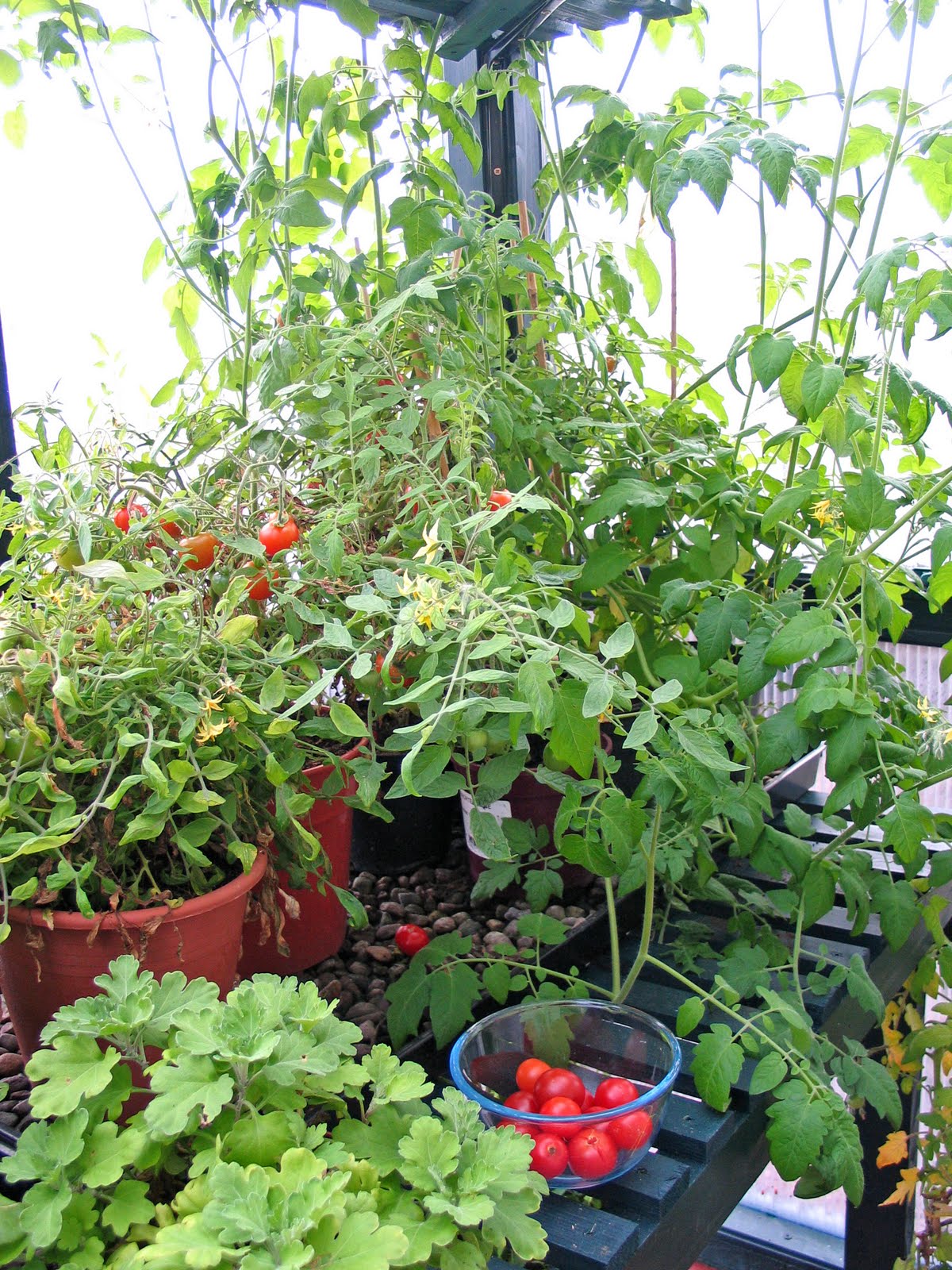
  • I started by going to the greenhouse to pick my tomatoes. (I'm only saying this as it makes me happy. My boyfriend built it all by himself this summer and it's become a lovely place that smells like a tropical summer even on these damp and dreary September days.) So, if you've got a greenhouse, go there. But if you don't, just get down to work. It won't be long before this food puts a smile on your face.
  • Start by pre-heating your oven to 200 Celsius/400 F/Gas Mark 6.
  • Then prepare your potatoes. Peel the sweet potatoes but leave the regular ones as they are. Cut both kinds into wedges and set the sweet potatoes aside. Boil the regular potatoes in salted, boiling water for 10 minutes to soften them a little.
  • Place both varieties of potatoes in an oven proof roasting dish. Try to have them in a single layer if possible as they will become crispier that way. Sprinkle with salt and pepper. Drizzle over two tablespoons of olive oil and cook for 30 minutes or until crispy at the edges.

  • Now start your fish. Place it on a baking tray which you've lightly oiled so that it won't stick. Season with salt and pepper.
  • Crush your coriander seeds in a pestle and mortar (or with the back of a spoon if that's all you have) and mix with the breadcrumbs. Add the zested lime juice and some salt and pepper. Cover the fish with the breadcrumb mixture and drizzle with a half tablespoon or so of olive oil.

  • The fish will cook in ten minutes in the same oven so place it in the oven ten minutes before the potatoes will be ready.
  • That will give you time to prepare your avocados. Peel and chop your avocados into bite-sized pieces. Halve or quarter your tomatoes depending on their size. Mix in the chopped coriander. Drizzle over the lime juice. Season to taste. 

Plate up and before you know it, there will be a smile on everyone's face.

Sunday, April 24, 2011

Wild Garlic: the green growth and sunshine of springtime in Ireland

The month of April has been wonderful here in Dingle. The sun has been shining. Nature has erupted in a growth spurt of green. I can hardly remember the grey, dark days of winter.

One of the best things about living in the countryside in the spring is watching nature come alive. You can't help but feel a thrill when you see the first buds on the trees and green leaves where there had only been barren grey...

What I hadn't realised until recently was just how much you can find to eat if you forage for it at this time of the year. Last year, I met many foraging enthusiasts who have taught me to see nature in an entirely new way: as a living larder on my doorstep.

So, when I was driving through a wooded area on Friday and spotted this:

I practically ground my car to a screeching halt.
Was it what I thought it was? I hurried into the woods to find out.

The closer I got, the more excited I became. Was it really what I hoped it was?

My nose was already telling me that my hunch was right. I'd found one of my favourite springtime foods: wild garlic.

I think wild garlic is the essence of springtime. It has such a fresh and delicate flavour, a flavour that is closer to chives than it is to the more pungent garlic you can buy in the shops.
If you are keen to forage for it, all you need to know is that it grows in woodlands, often among bluebells and that you can identify it by its garlic-like smell, its long leaves and its pretty white flowers.

As I gathered a bunch, I was already deciding how I'd cook it for that night's dinner. Combining it with some unsalted butter, crunchy sea salt and the freshest of fish seemed like a simple dish that would maximise its subtle flavour.

For the simplest and most delicious of springtime suppers for two, here's what I used:

70g unsalted flour
40g wild garlic
Sea salt

2 whole sole
Baby new potatoes

Green beans
1 tbsp unsalted butter
Half a lemon


  • I chopped the wild garlic and mixed it with the butter in a bowl, seasoning with sea salt.


  • I melted half of the garlic butter in a hot pan, adding a little bit of sunflower oil to stop it burning and cooked the sole in the melted butter (approx 3 mins each side).


  • I served the simply cooked fish with some boiled baby potatoes and lemony green beans. (Nigella Lawson suggests boiling beans in salted water and once they are tender straining them and transferring them to a saucepan with some butter and half a lemon that has been cut into segments. Stir until the butter has melted and the lemon segments have disintegrated slightly. Lemony goodness that sets the fish off to perfection!)


    Serve the buttered fish with the potatoes and lemony green beans with some of the extra wild garlic butter alongside.

    Pour yourself a glass of wine and savour the simple flavours of springtime.

    What a wonderful time of year it is.
  • Wednesday, April 6, 2011

    A simple fish supper brings with it a taste of summer

    The past few weeks have been volatilte ones here in the southwest of Ireland. There have been days of bright (and warm) sunshine followed by days of heavy rain, dense fog and piercingly cold winds.

    Can you imagine a day like this:


    Being followed by a day like this?


    Such is the unpredictability of spring time in Ireland.

    Yesterday, with rain rattling at the windows, I decided it was time for a taste of summer. I associate fresh fish with long summer evenings and so I decided it was time to cook my first dish from Madame Prunier's Fish Cookery Book. Having written about Madame Prunier in my previous blog post, I had been waiting for an opportunity to put her recipes to the test.

    My first task was to purchase some fish. It may surprise some of you but before our local fish shop opened in Dingle a few years ago, it was hard to find fresh fish in the town. Although it is a fishing port, most of the best quality fish used to be immediately shipped abroad. Even today, we locals hardly catch a glimpse of it before it's packed in ice and transported to Europe.

    Fortunately, we now have Kane's Fish Shop to intercept some of that fish for us. It's been a great addition to the town since it opened and it means that I can now have fresh fish for supper whenever I feel like it - just as I did last night.

    Here's David with some of his fresh fish:


    I had chosen a simple recipe from the hundreds in Madame Prunier's repertoire: whiting cooked in shallots, parsley and white wine.

    Because this is such a simple dish, it's vital that you have the freshest and best quality ingredients. This is particularly true of the fish. I wouldn't even bother making this dish if you are at all unsure of your whiting being as fresh as can be.

    What I realised when cooking from Madame Prunier's book is that her recipes require a certain amount of confidence from cooks.
    For example, here's her recipe for my whiting:

    Butter a dish and sprinkle it with chopped shallots and parsley. Lay the fish on this and season them with salt and pepper. Moisten with white wine and cook in the oven with frequent bastings. Dish the whiting and reduce the cooking liquor by half, thickening it with butter. Pour it over the fish and eat.
    There are no measurements given. No temperatures or cooking times. In order to use this cookbook, you need to have a little bit of experience with cooking fish and/or you need to trust your judgement.

    Relying on what experience and judgement I have, here is what I did.


  • I preheated my oven to 180 degrees Celsius/350 F/Gas Mark 4.

  • I chopped three small shallots and a handful of parsley and sprinkled them on a dish.

  • I placed two fillets of whiting on top and seasoned them with salt and pepper.

  • I then poured about 100ml of wine over the fish.


  • Into the oven it went for about ten minutes, during which time I basted the fish fillets twice.

  • I plated the fish and transferred the juices to a pan on a high heat. I reduced them by half and then whisked in two tablespoons of butter.

  • I poured the sauce over the fish and served with mashed potato and carrots.


    This was a simple dish to make and it was full of simple flavours. The shallots and parsley were fresh while the butter lent it a touch of richness. It's ideal for a midweek supper and for those of you who, like me, might want a hint of the summer that is to come.
  • Thursday, December 16, 2010

    Phase 2 in the mission to convert my boyfriend to curry

    Regular readers will remember that I recently reviewed 'I Love Curry' by Anjum Anand. You'll remember how taken I was with the breadth of recipes covered in this book. It has everything from bite-sized appetisers and all sorts of curries (made with vegetables, fish, seafood, poultry and meat) to Indian breads, vegetable side dishes, rice dishes and lots of different dips and raitas.

    You'll also remember how I was hoping to use this book to convert my English boyfriend to the appreciation of curry. Despite the fact that he hails from a land where curry is worshipped, this man maintains that he HATES curry.

    Chillies? Yuck, he says. Lentils? My tummy can't handle them, he maintains.

    I refuse to accept this situation and I am on a mission to show him just how wrong he is about curry. I took my first step towards victory when I cooked Anjum Anand's creamy tomato fish curry last night.

    I chose this recipe because it is described as being mild. It seemed easy to cook midweek. And from the glossy picture printed alongside the recipe, it looked delicious. It appeared to be the perfect recipe with which to launch my attack.

    I assembled my ingredients and got to work. (The sheer amount of ingredients might lead you to think that this recipe is complicted but rest assured that it isn't. Most of the ingredients are spices and all you need to do with them is measure them and add them to the sauce.)

    Ingredients: (to serve 4)

    1 tsp turmeric
    Salt
    500g firm white fish steaks (halibut is recommended but I substituted monkfish.)
    7tbsp vegetable oil
    6 cloves
    6 green cardamon pods
    12 black peppercorns
    2 bay leaves
    1 small onion, finely chopped
    4 tomatoes, quartered and seeded (I didn't bother seeding mine)
    10g fresh root ginger, peeled weight
    6 fat garlic cloves
    1/4 to 1/2tsp chilli powder
    1tbsp ground coriander
    Freshly ground black pepper, to taste
    3/4tsp garam masala
    2tbsp single cream
    Handful of fresh coriander leaves, chopped
    • Rub half the turmeric and a good pinch of salt into the fish and leave to marinate as you cook the sauce.
    • Heat 5tbsp of the oil in a non-stick saucepan. Add the whole spices and the bay leaves and once they have sizzled for 10 seconds, add the onion. Cook until golden brown.
    • Meanwhile, blend the tomatoes, ginger and garlic until smooth, adding a splash of water to help, if needed.
    • Add this paste to the pan with the rest of the spices (except the garam masala) and some salt to taste.
    • Cook over a medium flame, stirring often for 10 to 12 minutes, until the spice mix starts to release oil droplets. (I'd never seen this happen before and was unsure what to expect but you can't miss it.)
    • Reduce the heat and brown the paste for a further 6 minutes to intensify the flavours.
    • Add 500ml water and bring to a boil.
    • Reduce the heat and simmer for 6 or 7 minutes more.
    • Taste and adjust the seasoning.
    • Meanwhile, if you're using halibut, it's time to fry the fish. Heat the remaining oil in a frying pan until hot and add the marinated pieces of fish, cooking on both sides for 2 minutes, until golden brown. Add the fish, the garam masala and the cream to the curry and simmer for another 3 minutes while the fish finishes cooking and absorbs the sauce.
    • If you're using monkfish, it doesn't need to be fried. Add it to the curry directly along with the garam masala and the cream and simmer for 5 minutes or so until cooked.
    • Taste, adjust the seasoning and serve scattered with chopped coriander.
    I served this with nutty brown rice and some crunchy sugar snap peas.

    The verdict? Because the recipe involved frying the whole spices and giving the curry sauce time to develop, there was a real depth of flavour to this dish. Layers upon layers of flavour in fact. I loved it.
    And the curry-hating boyfriend? He loved it too!
    Score:
    Curry-hating boyfriend: 0
    Sharon (with the help of Anjum Anand): 1
    I think this is a war that can be won...

    Thursday, November 25, 2010

    My idea of a real winter warmer

    This month was my first time taking part in the Irish Foodies Cookalong and the theme was 'winter warmers'. Hmm, I thought when presented with the challenge, what's my idea of a winter warmer?

    I very rarely eat meat so the obvious option of stews, boeuf bourguinon and such were off my menu. I was stumped for a few days until I saw mention of Cullen Skink on the Daily Spud's blog (if you haven't checked her out, you should:http://www.thedailyspud.com/edailyspud.com/). A few years ago, I had a version of this dish in a hotel in Belfast. A fried potato cake that bursts with fresh chives, hearty leek and potato soup and poached smoked haddock topped with a poached egg; I'd loved it and I'd always meant to try to recreate it at home. So, on the evening of Friday the 5th of November, that's exactly what I did.

    (Some of you may think that this sounds like a lot of work for a Friday evening and, in a way, it is. But if you do what I did and make more potato cakes and more leek and potato soup than you need, then you have the makings of several meals just waiting for you in your fridge.)

    So, I started by making what's called a court bouillon, a flavoured cooking liquid that is used for poaching fish. You may think this is unnecessary but cooking time aside, it takes very little effort on your part and your fish will taste all the better for it. Whenever I make it, I usually make enough for a few batches and freeze what I don't use.

    Court bouillon:
    100ml dry white wine
    1 bay leaf
    2 fresh thyme stems
    1 carrot, sliced thinly
    1 onion, sliced
    1 stick of celery
    8 black peppercorns
    1.5litres water
    Salt

    Place all of your ingredients in a saucepan and bring to the boil.
    Simmer for 30 mins.
    Cool and strain.
    (It's not that hard, is it?)

    While that was happening, I made a start on my potato cakes. I boiled 2 medium-sized potatoes per person in a saucepan of water.

    Next up was the soup.

    Ingredients:
    15g butter
    1 onion, chopped
    1 clove of garlic, crushed
    225g potatoes, cubed
    2 medium-sized leeks, sliced
    1.2 litres vegetable stock
    Lots of flat leafed parsley, chopped
    Salt and pepper


    • Melt the butter. Add the onion and garlic and stir until softened.
    • Add the potatoes and leeks. Stir for five mins or so.
    • Add the stock. Bring to the boil. Cover the pot and leave to simmer for 15 mins.
    • Add the parsley. Blend coarsely (I use a hand-held blender but a food processor will do too). Season.
    While your soup is cooking, it's time to get your act in gear.
    You need to mash your potatoes with chives, butter and salt and fry it in butter or oil. (Your choice but my preference would be for butter. It complements the flavour of the overall dish.)
    You need to poach some smoked haddock in your court bouillon, which should be simmering in a wide pan. (I used a wok.) How long this takes depends on how thick your fillets of fish are but an average-sized fillet should take between 4 and 6 minutes.
    Your last step is to poach an egg. And then all you need to do is assemble.

    Potato cake:
    Smoked haddock:
    Soup:
    Egg:
    Yum!